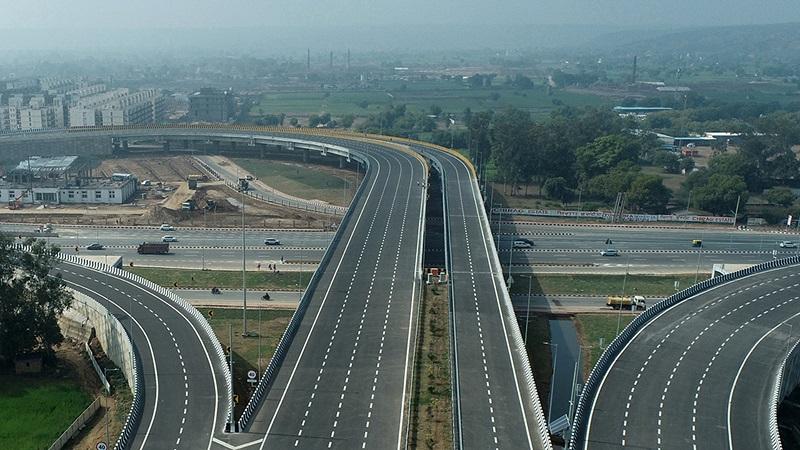


India’s infrastructure landscape achieved a major milestone with the inauguration of the Delhi–Dehradun Expressway, a transformative highway project aimed at boosting connectivity, economic growth, and tourism in North India. Officially inaugurated on April 14, 2026, by Narendra Modi, this high-speed corridor has dramatically reduced travel time between Delhi and Dehradun from nearly 6–7 hours to just about 2.5 hours.
With an investment of approximately ₹11,868 crore to ₹12,000 crore, the expressway is not just a road project but a symbol of India’s push toward modern, sustainable, and efficient transport infrastructure.
A Mega Infrastructure Project
The Delhi–Dehradun Expressway spans around 210–213 km and connects the national capital with Uttarakhand’s capital through key regions of Uttar Pradesh. The expressway is a six-lane, access-controlled highway (expandable to eight lanes), designed to ensure high-speed, safe, and uninterrupted travel.
Developed by the National Highways Authority of India (NHAI), the project was conceptualized to address growing traffic congestion and improve connectivity between major urban and tourist hubs.
The corridor passes through important towns such as Baghpat, Shamli, Muzaffarnagar, and Saharanpur, significantly enhancing regional accessibility and development prospects.
Travel Time Slashed to 2.5 Hours
One of the most remarkable features of the expressway is the drastic reduction in travel time. Earlier, the journey between Delhi and Dehradun could take anywhere between 6 to 7 hours due to traffic congestion, narrow roads, and difficult terrain.
Now, with the new expressway:
- Travel time is reduced to just 2.5 hours
- Average speeds of up to 100 km/h for cars are supported
- Seamless, signal-free movement ensures smoother journeys
This improvement is expected to revolutionize road travel in the region, especially for frequent commuters and tourists heading to Uttarakhand.
Engineering Excellence and Unique Features


The Delhi–Dehradun Expressway stands out not only for its scale but also for its innovative and environmentally conscious design.
1. Asia’s Longest Wildlife Corridor
A 12-km elevated corridor passing through Rajaji National Park ensures safe movement of wildlife, including elephants and deer.
2. Eco-Friendly Infrastructure
- Multiple animal crossings and underpasses
- Elephant corridors and green bridges
- Minimal disruption to forest ecosystems
3. Advanced Traffic Systems
The expressway is equipped with an Advanced Traffic Management System (ATMS), enabling real-time monitoring, improved safety, and efficient traffic flow.
4. Massive Structural Components
- 100+ vehicular underpasses
- Multiple interchanges and bridges
- Tunnel near Datkali Temple
- Railway overbridges
These features collectively make the expressway one of India’s most technologically advanced highway projects.
Economic and Strategic Importance
The Delhi–Dehradun Expressway is more than just a transportation project—it is a powerful economic corridor.
Boost to Tourism
Uttarakhand, known for its scenic beauty and religious destinations, is expected to witness a surge in tourist arrivals. Faster travel means more weekend trips and increased hospitality demand.
Industrial Growth
Improved connectivity between Delhi NCR and Uttarakhand will encourage industrial investments, logistics hubs, and warehousing development along the route.
Job Creation
Construction and maintenance of the expressway have already generated thousands of jobs, with more opportunities expected in tourism and allied sectors.
Reduced Logistics Costs
Faster transportation will reduce fuel consumption and transit times, lowering logistics costs for businesses.
Environmental Considerations
Unlike traditional highway projects, the Delhi–Dehradun Expressway incorporates several eco-friendly measures:
- Elevated sections to protect forest land
- Wildlife crossings to prevent animal accidents
- Reduced carbon emissions due to shorter travel time
These initiatives highlight India’s growing emphasis on sustainable infrastructure development.
Route and Connectivity
The expressway begins near Akshardham in Delhi and extends to Dehradun, connecting with several major highways and expressways along the way.
Key connectivity points include:
- Eastern Peripheral Expressway
- Delhi–Meerut Expressway
- Char Dham Highway (via Haridwar link)
This integrated network ensures seamless movement across North India and strengthens regional connectivity.
Toll and Usage
While official toll rates may vary depending on the distance traveled, earlier estimates suggest a cost of around ₹600–₹700 for a full journey between Delhi and Dehradun.
With high-quality roads, faster travel, and reduced fuel consumption, the toll cost is expected to be justified for most commuters.
Challenges and Concerns
Despite its success, the project has faced some criticism and challenges:
- Reports of drainage issues during pre-launch phases
- Concerns over construction quality in certain stretches
- Environmental debates regarding forest land usage
However, authorities have addressed many of these concerns, ensuring the expressway meets safety and quality standards.
A Vision for Future Infrastructure
The Delhi–Dehradun Expressway is part of India’s broader push toward world-class infrastructure. It aligns with the government’s vision of building high-speed corridors to improve connectivity, reduce travel time, and boost economic growth.
Projects like the Delhi–Mumbai Expressway and other economic corridors further reflect this ambition.
Conclusion
The inauguration of the Delhi–Dehradun Expressway marks a significant leap in India’s infrastructure journey. With an investment of nearly ₹11,868 crore, the project delivers faster travel, enhanced safety, and sustainable development.
By reducing travel time to just 2.5 hours, the expressway is set to transform how people commute between Delhi and Dehradun. It promises not only convenience but also economic growth, tourism expansion, and regional development.
As India continues to invest in modern infrastructure, projects like this stand as shining examples of innovation, efficiency, and progress—paving the way for a faster and more connected future.