Global GDP Rankings Snapshot (2026 Estimates)


India’s economic journey continues to attract global attention. While short-term fluctuations may place the country as low as sixth in some rankings due to currency and statistical adjustments, the broader trajectory remains strongly upward. According to IMF-based estimates, India’s GDP is already around $4.5 trillion in 2026, placing it among the top five economies globally.
The perception of India “slipping” to sixth position stems less from actual economic decline and more from:
- Exchange rate volatility
- Faster nominal growth in some developed economies
- Revisions in GDP calculations
Despite these shifts, India remains one of the fastest-growing major economies in the world.
India’s GDP Growth Trend


India’s growth momentum is the strongest factor behind its long-term rise. The country has consistently recorded GDP growth rates above 6%, with projections ranging between 6.2% and 7.3% in the mid-2020s.
In fact:
- GDP growth in 2025: ~6.6%
- FY2025–26 growth estimate: ~7.6%
- Medium-term growth outlook: ~6–7% annually
This sustained expansion ensures that even if rankings fluctuate temporarily, India’s economic size continues to increase rapidly.
Key Drivers Behind India’s Rise
1. Consumption-Led Economy
India’s large population and rising middle class are driving demand across sectors like housing, automobiles, and digital services.
2. Infrastructure Expansion
Massive government spending on highways, railways, ports, and airports is boosting economic productivity.
3. Digital Transformation
India’s digital ecosystem—UPI, fintech, and e-commerce—has revolutionized financial access and consumer behavior.
4. Manufacturing Push
Initiatives like “Make in India” and PLI schemes are strengthening domestic production and exports.
5. Investment Growth
India is attracting increasing foreign direct investment (FDI), especially in technology and renewable energy sectors.
India vs Other Major Economies


India’s rise is closely tied to the relative slowdown of other major economies:
- Japan’s growth remains weak at around 0.6%, limiting its expansion.
- Germany faces structural challenges and slow growth.
- The UK and France are growing modestly compared to India.
This gap allows India to climb the rankings steadily.
India has already:
- Competed closely with Japan in GDP size
- Positioned itself as the 4th largest economy in several projections
- Begun closing the gap with Germany
Why India Could Become the 3rd Largest Economy by 2031


1. Demographic Advantage
India has one of the youngest populations globally, providing a long-term workforce and consumption boost.
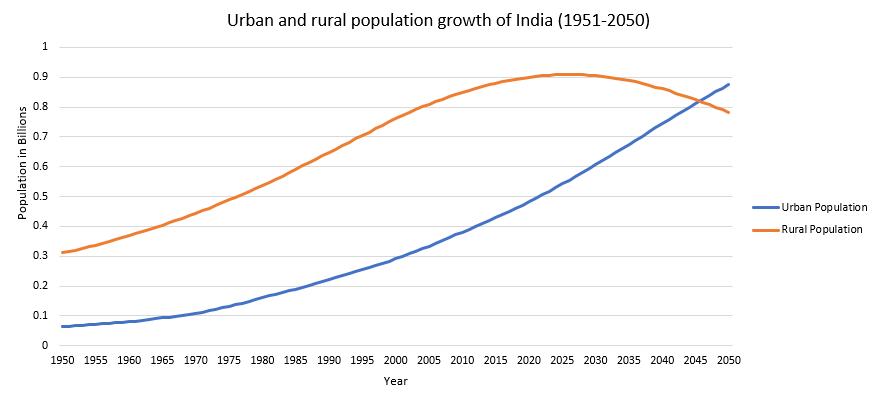
2. Urbanization Boom
Rapid migration to cities is increasing demand for infrastructure, housing, and services.
3. Global Supply Chain Shift
Companies are diversifying away from China, making India a preferred manufacturing hub.
4. Policy Reforms
GST, insolvency reforms, and ease-of-doing-business improvements are strengthening the economy.
5. Long-Term Projections
By 2035, India is expected to become the third-largest economy globally, with massive GDP expansion under PPP metrics.
Challenges That Could Impact Growth
Despite the optimistic outlook, India faces several hurdles:
1. Employment Generation
Creating enough jobs for millions entering the workforce remains a major challenge.
2. Income Inequality
Economic benefits are unevenly distributed across regions and income groups.
3. Infrastructure Gaps
Rural infrastructure and logistics still need improvement.
4. Global Risks
Geopolitical tensions and energy price shocks can impact growth.
5. Data Quality Concerns
Some institutions have raised concerns about GDP measurement accuracy, highlighting the need for improved statistical systems.
What This Means for India
Becoming the third-largest economy is a major milestone—but it is not the final goal.
India’s per capita income remains relatively low compared to developed nations. Economic growth must translate into:
- Better healthcare
- Improved education
- Job creation
- Higher living standards
GDP size reflects economic strength, but true development lies in improving citizens’ quality of life.
Conclusion: A Temporary Dip, A Powerful Rise Ahead
India’s apparent slip to sixth place in some 2025 rankings should be viewed in context—it reflects short-term global fluctuations rather than a structural slowdown. The country’s economic fundamentals remain strong, supported by high growth, favorable demographics, and ongoing reforms.
With consistent expansion and strategic policy direction, India is firmly on track to become the world’s third-largest economy by 2031. The coming decade will likely define India’s role as a global economic powerhouse.