

India’s push toward gender equality in politics has once again taken center stage as Prime Minister Narendra Modi calls for broad political and public support to implement the long-awaited women’s legislative quota before 2029. The move aims to ensure that women have stronger representation in India’s lawmaking bodies, a reform that has been debated for decades but only recently gained renewed urgency.
The Vision Behind the Women’s Quota
The proposed legislation—popularly known as the Women’s Reservation Bill—seeks to reserve 33% of seats in the Lok Sabha and state legislative assemblies for women. The goal is not just symbolic representation, but meaningful participation in governance.


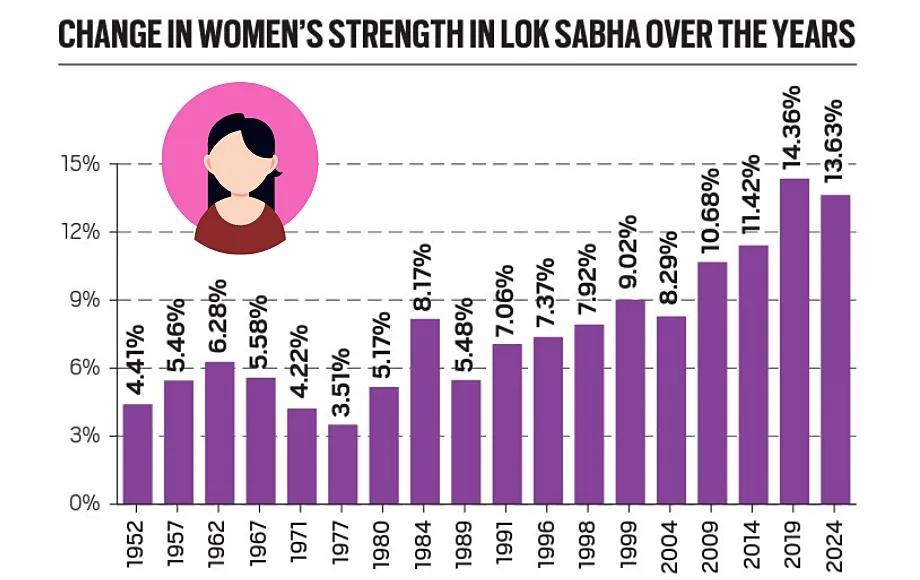
India, despite being the world’s largest democracy, still lags in terms of women’s political participation compared to several other nations. Currently, women make up around 15% of the Lok Sabha, highlighting the need for structural reform.
Prime Minister Modi has emphasized that empowering women politically is essential for building a more inclusive and balanced democracy. His call for support before 2029 aligns with broader national goals of social development and equitable governance.
Why 2029 Matters
The timeline is significant. The implementation of the quota is linked to delimitation exercises—the redrawing of electoral boundaries based on census data. Since delimitation is expected after the next census cycle, 2029 has emerged as a realistic target for fully rolling out the reservation.
The government is urging all political parties to cooperate and build consensus well in advance, ensuring that procedural and constitutional hurdles do not delay implementation.
Political Reactions and Consensus Building


The proposal has received broad support across party lines, though some concerns remain. Opposition parties have welcomed the move but are calling for clarity on implementation timelines and inclusion mechanisms.
Key debates include:
- Whether sub-quotas should be introduced for women from marginalized communities
- How rotation of reserved seats will impact political continuity
- Ensuring that the policy benefits grassroots women leaders, not just elite candidates
Despite these concerns, there is growing consensus that the reform is long overdue.
Impact on Indian Democracy
If implemented effectively, the women’s quota could transform Indian politics in several ways:
1. Stronger Representation
More women in legislatures would ensure that issues like healthcare, education, safety, and gender equality receive greater attention.
2. Policy Innovation
Studies have shown that women leaders often bring different perspectives and priorities, leading to more inclusive policymaking.
3. Inspiration for Future Generations
Greater visibility of women in leadership roles can inspire young girls to pursue careers in politics and public service.
Challenges Ahead
While the intent is clear, execution remains complex. Key challenges include:
- Completing the census and delimitation process on time
- Ensuring fair implementation across states
- Avoiding tokenism and promoting genuine empowerment
Additionally, political will must remain consistent across administrations to ensure that the reform does not lose momentum.
A Step Toward Inclusive Governance


Prime Minister Narendra Modi’s call for support signals a crucial moment in India’s democratic journey. The push for a women’s legislative quota is not just about numbers—it is about reshaping the political landscape to reflect the true diversity of the nation.
As India moves toward 2029, the success of this initiative will depend on collaboration, commitment, and a shared vision for equality. If realized, it could mark one of the most significant democratic reforms in modern Indian history—empowering millions of women and strengthening the foundation of governance.