

8
India’s SUV market is witnessing a major transformation, and Mahindra & Mahindra is positioning itself right at the center of it. With a strong legacy in rugged utility vehicles and a growing presence in electric mobility, the company is making a bold, calculated bet: dominate both internal combustion engine (ICE) and electric vehicle (EV) segments simultaneously.
This dual approach reflects not just ambition, but a deep understanding of India’s evolving automotive landscape—where traditional fuel-powered SUVs still thrive, while electric vehicles are rapidly gaining traction.
A Stronghold in the SUV Market
Mahindra has long been synonymous with SUVs in India. Models like the Scorpio, Thar, and XUV series have built a loyal customer base over decades. This foundation continues to pay off, with the company reporting strong sales growth and increasing demand across its SUV lineup. In March 2026 alone, Mahindra recorded over 60,000 units in sales, marking a 25% year-on-year growth.
SUVs now form the backbone of Mahindra’s business, contributing a significant portion of its overall revenue.
Recognizing this strength, Mahindra is doubling down on SUVs—not just by expanding its portfolio but by refreshing and reinventing its most popular models.
ICE SUVs: Still a Core Pillar
Despite the EV buzz, Mahindra is not abandoning its ICE roots. In fact, the company is investing heavily in updating its existing petrol and diesel SUVs.
Upcoming updates include refreshed versions of popular models like the Scorpio N and Thar. These facelifts are expected to feature modern design tweaks, improved interiors, and advanced technology such as larger infotainment systems and digital displays.
Additionally, Mahindra plans to introduce new ICE SUVs, including a model positioned between compact and lifestyle SUVs—likely blending urban comfort with off-road capability.
The continued focus on ICE vehicles is strategic. In India, petrol and diesel SUVs remain highly relevant due to factors like widespread fuel infrastructure, affordability, and suitability for long-distance travel.
Even as EV adoption rises, ICE SUVs will continue to drive volume in the near future.
The Big EV Push
While ICE vehicles ensure stability, Mahindra’s future vision is clearly electric. The company is aggressively expanding its EV portfolio under its “Born Electric” lineup.
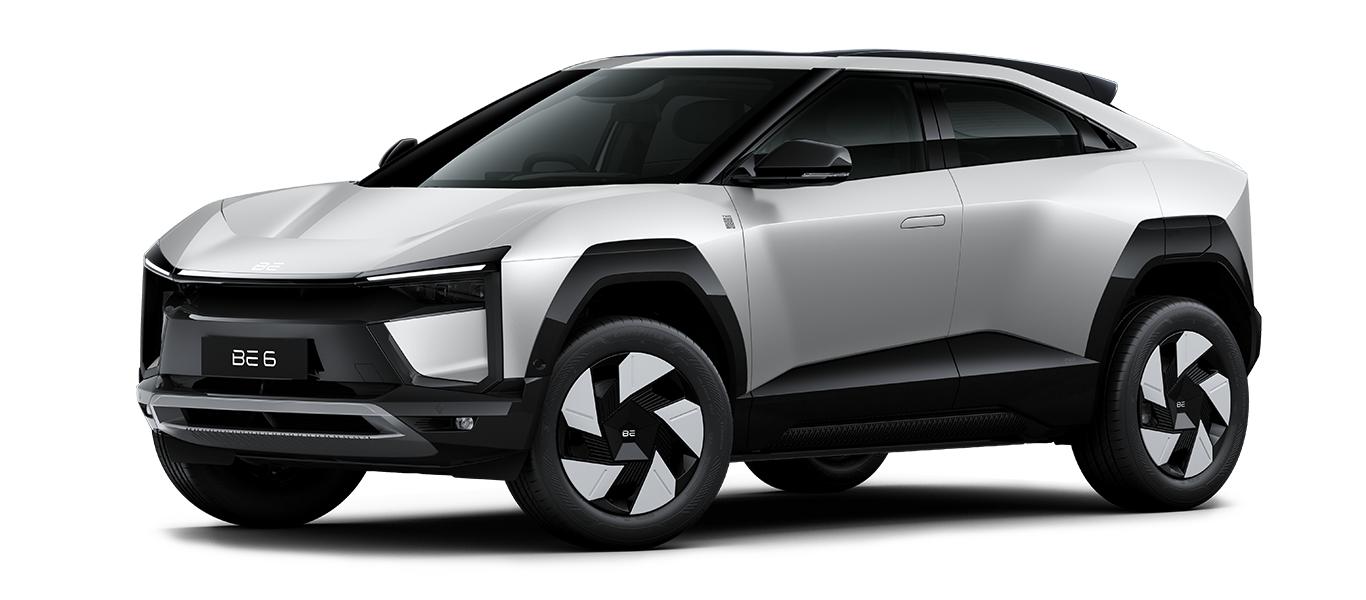
Models like the BE 6, XEV 9e, and XEV 9S represent a new generation of SUVs designed from the ground up as electric vehicles. These are not modified petrol cars—they are built on dedicated EV platforms like INGLO, offering better performance, efficiency, and range.
For instance, the XEV 9S offers a claimed range of over 500 km, with some variants going close to 650 km.
Mahindra is also making smart pricing moves to accelerate EV adoption. While prices of ICE SUVs have been increased slightly, the company has kept its EV lineup competitively priced to narrow the gap between diesel and electric options.
This strategy is already showing results. Mahindra recently became India’s second-largest EV manufacturer by monthly sales, reflecting strong momentum in the segment.
Investment and Expansion Plans
Mahindra’s commitment to EVs goes beyond just product launches. The company is investing heavily in infrastructure, technology, and production capacity.
It plans to invest billions into EV development through 2027, aiming to make electric vehicles a significant portion of its SUV sales. The goal is clear: EVs should account for around 20% of total SUV sales by 2027.
To support this growth, Mahindra is also expanding its manufacturing capacity for both ICE and EV SUVs, ensuring it can meet rising demand without delays.
Balancing Present and Future
What makes Mahindra’s strategy unique is its balance. Instead of going all-in on EVs or sticking solely with ICE vehicles, the company is pursuing both paths aggressively.
- ICE SUVs provide immediate revenue and cater to a large customer base.
- EV SUVs prepare the company for the future and align with global sustainability trends.
This dual strategy minimizes risk while maximizing opportunity. It allows Mahindra to stay competitive today while building a strong foundation for tomorrow.
Competitive Landscape
Mahindra’s aggressive push comes at a time when competition in the SUV and EV space is intensifying. Rivals are also investing heavily in electric mobility, and the race for market leadership is heating up.
However, Mahindra’s advantage lies in its SUV-first identity and its ability to combine rugged design with modern technology. Its early investments in dedicated EV platforms also give it a head start over competitors still adapting ICE models into EVs.
What This Means for Consumers
For buyers, Mahindra’s strategy translates into more choices than ever before. Whether someone prefers a traditional diesel SUV for long road trips or a high-tech electric SUV for urban commuting, Mahindra aims to offer both.
The narrowing price gap between ICE and EV models, combined with improved features and performance, is likely to accelerate the shift toward electric mobility in India.
Conclusion
Mahindra’s bold bet on SUVs—across both ICE and EV segments—signals a defining moment for the company. By leveraging its legacy strengths while embracing future technologies, it is positioning itself as a leader in India’s next automotive era.
As new launches roll out over the next few years, Mahindra’s showrooms are set to become a hub of innovation, offering everything from rugged off-roaders to cutting-edge electric SUVs.
In a rapidly evolving market, Mahindra isn’t choosing between the present and the future—it’s building both, side by side.